Review: 11 Blue Two Tone Watercolor Strokes
As a designer who has spent years translating digital art into tangible thread, I approach every new machine embroidery design with a mix of excitement and skepticism. The gap between a pretty pixel on a screen and a successful stitch on fabric is often where projects fail. Recently, I tested the 11 Blue Two Tone Watercolor Strokes collection to see if it holds up under the pressure of real-world production. This isn't just about whether the file opens correctly; it is about how these strokes translate into a finished product that customers will actually want to buy.
The First Impression: Mood and Visual Weight
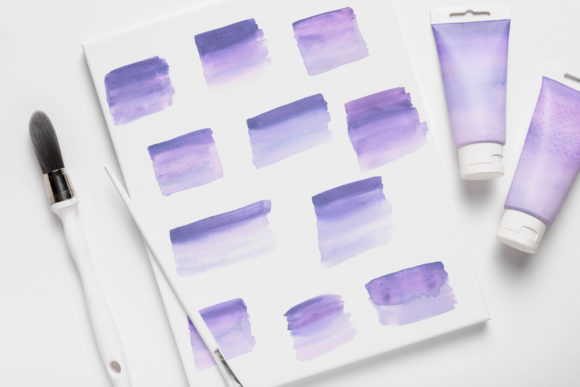
When I first loaded the 11 Blue Two Tone Watercolor Strokes into my digitizing software, the immediate feeling was one of calm sophistication. These are not rigid, geometric shapes. They belong firmly in the Illustrations category, mimicking the organic flow of wet paint drying on paper. The two-tone blue palette offers a subtle depth that flat colors often lack. In a sea of loud, neon designs, this set feels curated and artistic. It suggests a brand identity that values minimalism and quality over clutter.
However, visual appeal on a monitor does not guarantee success on a garment. The challenge with watercolor effects in thread is always the same: avoiding the "muddy" look. If the stitch density is too high, the delicate gradients disappear into a solid block of color. If it is too low, the design looks unfinished. My initial assessment of these strokes is that they rely heavily on the interplay between the lighter and darker blues to create that painterly effect. This makes them perfect for projects where texture matters more than intricate detail.
A Real-World Test: The Custom Tote Bag Scenario
To truly evaluate the utility of these designs, I imagined a specific scenario: preparing a line of eco-friendly canvas tote bags for a local boutique client. The goal was to create a signature look that felt handmade yet professional. I selected one of the bolder strokes from the 11 Blue Two Tone Watercolor Strokes set to place near the bottom corner of a natural beige tote bag.
In this context, the design shines. The organic shape complements the rough texture of the canvas, and the blue tones pop against the neutral background without overwhelming it. For an Etsy seller or small shop owner, this kind of design asset is gold. It transforms a generic blank bag into a branded item instantly. Unlike complex floral arrangements that require precise alignment, these strokes have a forgiving nature. Even if the hoop shifts slightly during stitching, the abstract form remains aesthetically pleasing. This flexibility is crucial when producing custom apparel in batches, as it reduces the stress of perfectionism while maintaining a high-end look.
I also considered using these on a heavyweight cotton sweatshirt. Here, the sweatshirt embroidery application would benefit from the fluid lines. A stiff, heavy logo can ruin the drape of a hoodie, but a watercolor stroke adds a decorative accent that feels light and modern. The two-tone effect adds enough visual interest to justify a higher price point for the finished product, making it a viable option for boutique branding or holiday gifts.
Navigating Technical Challenges and Fabric Choices
While the aesthetic potential is high, practical application requires caution. There are specific situations where the 11 Blue Two Tone Watercolor Strokes might struggle. First, consider the fabric texture. On highly textured fabrics like thick fleece or ribbed knits, the fine details of the watercolor edges can get lost. The needle may skip, or the thread may sink into the weave, blurring the transition between the two blue tones.
Second, dark fabrics present a significant hurdle. Because the design relies on shades of blue, placing it on black or navy material could result in poor visibility unless you use a bright white underlay or switch to a different color scheme entirely. Always test your thread colors against your specific fabric before committing to a full run. Similarly, stretchy fabrics like jersey knit require careful attention to hoop size and stabilizer choice. If the fabric stretches during stitching, those beautiful organic lines can warp into jagged messes.
Another critical consideration is the scale. While these strokes work well as medium-sized accents, shrinking them down for tiny items like baby onesies or hat brims risks losing the two-tone definition. The running stitch and fill stitch areas might become indistinguishable at very small sizes. Conversely, scaling them up for large pillow covers or blankets works beautifully, provided the digitization supports the increased area without excessive pull.
Maximizing Value for Your Craft Business
For creative entrepreneurs and digital product sellers, the value of 11 Blue Two Tone Watercolor Strokes lies in its versatility as a design asset. It serves as an excellent base for personalized gifts. Imagine adding a recipient's name in a simple script next to one of these strokes on a kitchen towel or apron. The contrast between the hand-lettered text and the painted stroke creates a balanced composition that feels bespoke.
Furthermore, these designs are ideal for creating printable mockups to showcase your services. Even if you don't embroider the item immediately, having high-quality digital previews helps build customer trust. When clients see how a design translates to a handmade product, they are more likely to approve the project. The professional appearance of these strokes signals that your business pays attention to detail, which is essential for building a reputation in the competitive craft market.
Essential Designer Notes for Success
Before you integrate these files into your workflow, follow these practical steps to ensure the best results:
- Test on Scrap Fabric: Never stitch directly onto your final product first. Use a piece of the actual fabric you plan to sell to check how the thread lays and how the colors blend.
- Check Stabilizer Needs: Watercolor effects often require a tear-away or cut-away stabilizer to prevent puckering, especially on woven fabrics.
- Verify Licensing: As with any digital embroidery file, confirm the license terms. Ensure you are permitted to sell commercial embroidery items made with these designs before listing them on Etsy or at a craft fair.
- Inspect Small Details: Zoom in on the file to check for any stray stitches or gaps in the fill stitch areas that might appear after stitching.
- Compare Light and Dark Backgrounds: Mock up the design on both light and dark backgrounds to determine the best use cases for your inventory.
The 11 Blue Two Tone Watercolor Strokes offer a refreshing alternative to traditional embroidery motifs. They bring a modern, artistic flair to embroidery projects that appeals to a contemporary audience. Whether you are making baby embroidery items, holiday decor, or embroidered patches for a brand, these designs provide a strong foundation. By respecting their limitations regarding fabric and scale, you can turn these digital illustrations into high-value, tangible goods that stand out in a crowded marketplace.